
Renting a Remote Physical Dedicated Server: Costs, Hardware, and Real Use Cases
What Does Renting a Remote Physical Dedicated Server Really Mean
When you first hear about renting a remote physical dedicated server, it may sound intimidating, as if you need to be a data center engineer to even begin. Итак, let us start from a familiar life situation: you have a growing project, your current hosting is slowing down, and you compare upgrading shared resources versus moving to a physical server. For you, this choice is similar to deciding whether to rent a larger apartment or finally move into a private house—both solve the problem, but one gives you full control and long-term stability.
When a Physical Server Becomes a Logical Choice
Давайте рассмотрим ситуацию where your website or application begins to attract consistent traffic. At this stage, renting a physical server becomes a logical step, especially when compared to virtual servers. A dedicated physical server means all CPU cores, RAM, storage, and network resources belong only to you. Compared to a VPS, where resources are shared at the hypervisor level, a physical server offers predictability. For you as the reader, this is the difference between sharing office space and having your own building.
CPU Characteristics: The Core of Performance
Now let us talk about hardware characteristics, because this is where many people make costly mistakes. For example, Вам необходимо host a database-heavy project. In this case, CPU architecture, number of cores, and cache size matter far more than raw clock speed. Compared to entry-level processors, server-grade CPUs such as Intel Xeon or AMD EPYC handle parallel workloads much better. For you, this comparison is like choosing between a delivery van and a sports car—both move, but only one is designed for heavy work.
RAM Capacity and Why Memory Is Often Undervalued
RAM is another critical characteristic that deserves attention. Imagine, for you, working with dozens of applications open at the same time. With insufficient memory, everything slows down. The same applies to a physical server. Compared to 16 GB of RAM, configurations with 64 or 128 GB provide stability for databases, virtualization, and analytics. For example, Вам необходимо run accounting software or ERP systems—memory shortages will quickly become a bottleneck.
Storage Choices: HDD vs SSD vs NVMe
Storage is often underestimated, yet it defines daily performance. Traditional HDDs are cheaper, but SSD and NVMe drives drastically reduce latency. Compared to HDD-based servers, NVMe-powered machines load data multiple times faster. For you, this is similar to comparing a paper archive with a digital database. If your project relies on fast read/write operations, investing in modern storage saves time and frustration.
Understanding the Cost of Physical Server Rental
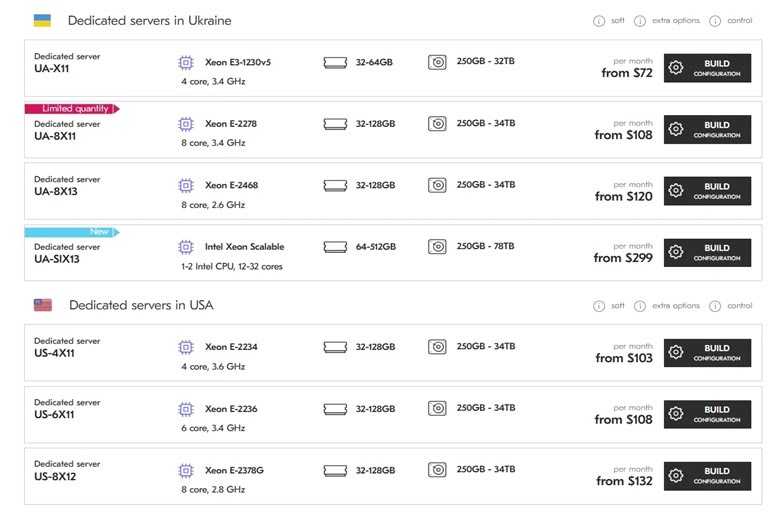
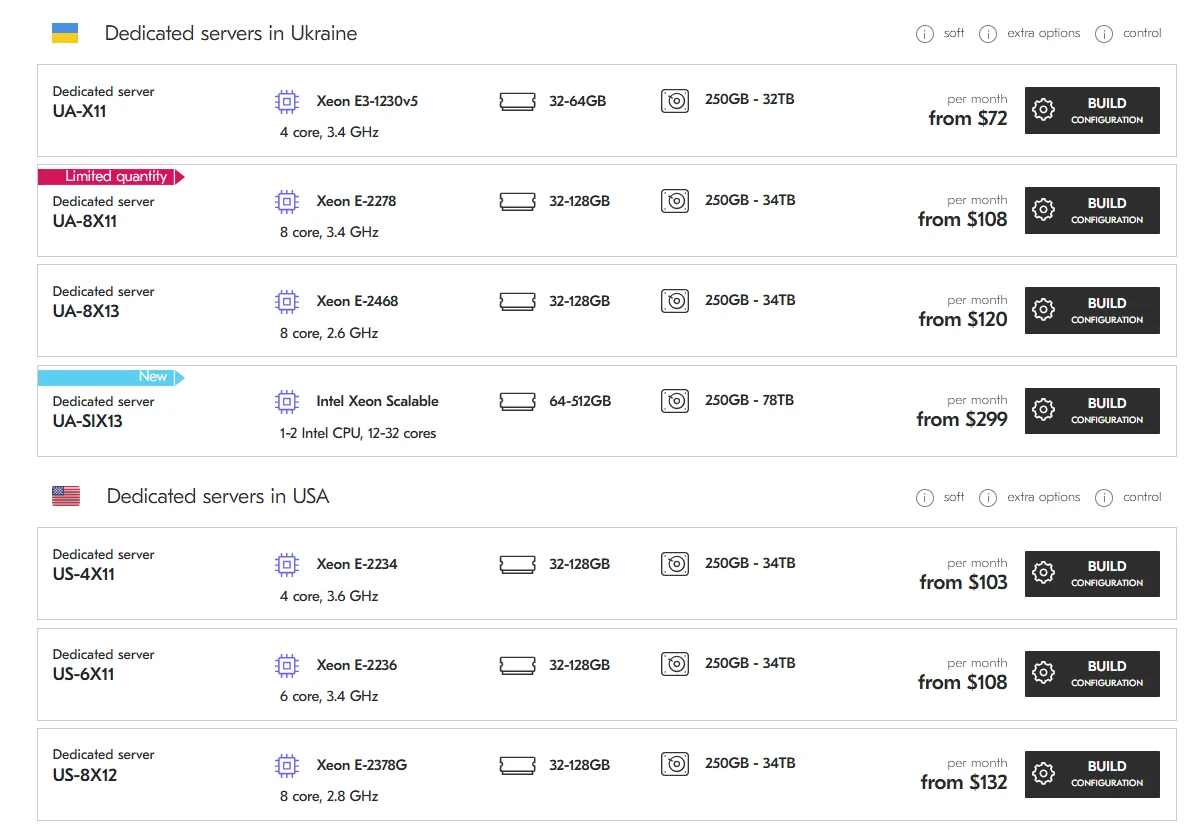
Now let us discuss costs, because price always influences decisions. Renting a physical dedicated server typically ranges from $80 to $300 per month, depending on hardware, location, and support level. Compared to VPS solutions starting at $10–$30, the price may seem high. However, for you, this is like comparing public transport with a personal car: higher cost, but unmatched convenience, performance, and independence.
Matching Server Type to Different Project Needs
Different projects require different server approaches, and this is where thoughtful comparison becomes essential. For example, if Вам необходимо host a high-load e-commerce platform, a physical server ensures stable checkout processes and database consistency. Compared to content blogs or landing pages, which may work fine on virtual servers, transactional systems demand dedicated resources. For you, matching the server type to the project saves money and avoids overengineering.
What Knowledge Is Required to Work with a Physical Server
Knowledge requirements are another important nuance. Renting a physical server assumes you understand operating systems, networking, security, and backups. Compared to managed VPS services, unmanaged physical servers demand more responsibility. For you, this is similar to owning a house instead of renting an apartment—you gain freedom, but maintenance becomes your task. If you lack experience, managed server options reduce risks.
Security Advantages of Dedicated Physical Servers
Security considerations also differ significantly. A physical server isolates your environment completely, unlike virtualized setups. Compared to shared infrastructures, this reduces the attack surface. For example, Вам необходимо store sensitive customer or financial data—physical isolation adds an extra layer of trust. For you, this is like keeping valuables in a private safe rather than a shared locker.
Ukrainian Hosting Providers and Local Infrastructure
When choosing a provider, geography and reputation matter. Ukrainian companies offer competitive hosting services while maintaining strong technical support. Compared to unknown offshore providers, local companies understand regional needs and legal requirements. Examples include DeltaHost, all of which provide virtual server services and infrastructure solutions. For you, working with a familiar provider often means clearer communication and faster support.
DeltaHost as a Separate Example of a Reliable Provider
Separately, it is worth highlighting DeltaHost as a well-known company offering both virtual and dedicated server solutions. Compared to smaller providers, DeltaHost provides transparent pricing, clear hardware specifications, and scalable options. For example, Вам необходимо start with a virtual server and later migrate to a physical one—such flexibility simplifies growth and reduces downtime for you.
This image is taken from the deltahost website.
Conclusion: How to Approach Physical Server Rental Correctly
In conclusion, renting a remote physical dedicated server is not just a technical decision; it is a strategic one. Итак, when you compare costs, hardware, project needs, and required knowledge, you see the full picture. Compared to impulsive choices, a deliberate approach ensures long-term stability. For you, the key lesson is simple: understand your real needs, compare options honestly, and choose a server that supports your project today and tomorrow.
— Artykuł sponsorowany —


